Arkansas may see drought relief over the winter
Oct. 26, 2026
By Mary Hightower
University of Arkansas Division of Agriculture
Fast Facts
- El Niño continues to drive weather patterns
- Climate Prediction Center forecasts hint at future drought relief
(580 words)
Newsrooms: With related stories:
- Drought raises nitrate risks in forage, boosts costs for ranchers
- Drought among factors jostling cattle markets
- Rotational grazing a key practice to maintain forage in drought
NORTH LITTLE ROCK, Ark. — El Niño is still driving the weather, and it’s keeping a heavy hand on the wheel.
While El Niño isn’t responsible for Arkansas’ intensifying drought, it may bring the state some relief.
This year’s El Niño is classified as “‘very strong,’ which is the highest category of these phenomena, the others being ‘weak,’ ‘moderate,’ and ‘strong,’” said Christopher Buonanno, science and operations officer for the National Weather Service at Little Rock.
“The strength is categorized by measuring the sea surface temperature anomalies in a portion of the Pacific Ocean, which is a driver of the atmospheric response that promotes the conditions associated with an El Niño,” he said.
“As of this time, these anomalies are warmer than ever recorded,” Buonanno said. “This type of condition has not been experienced before, and therefore presents a difficulty in making predictions.”
However, there are signals that Arkansas might see some relief.
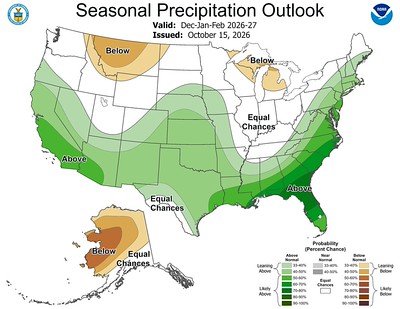
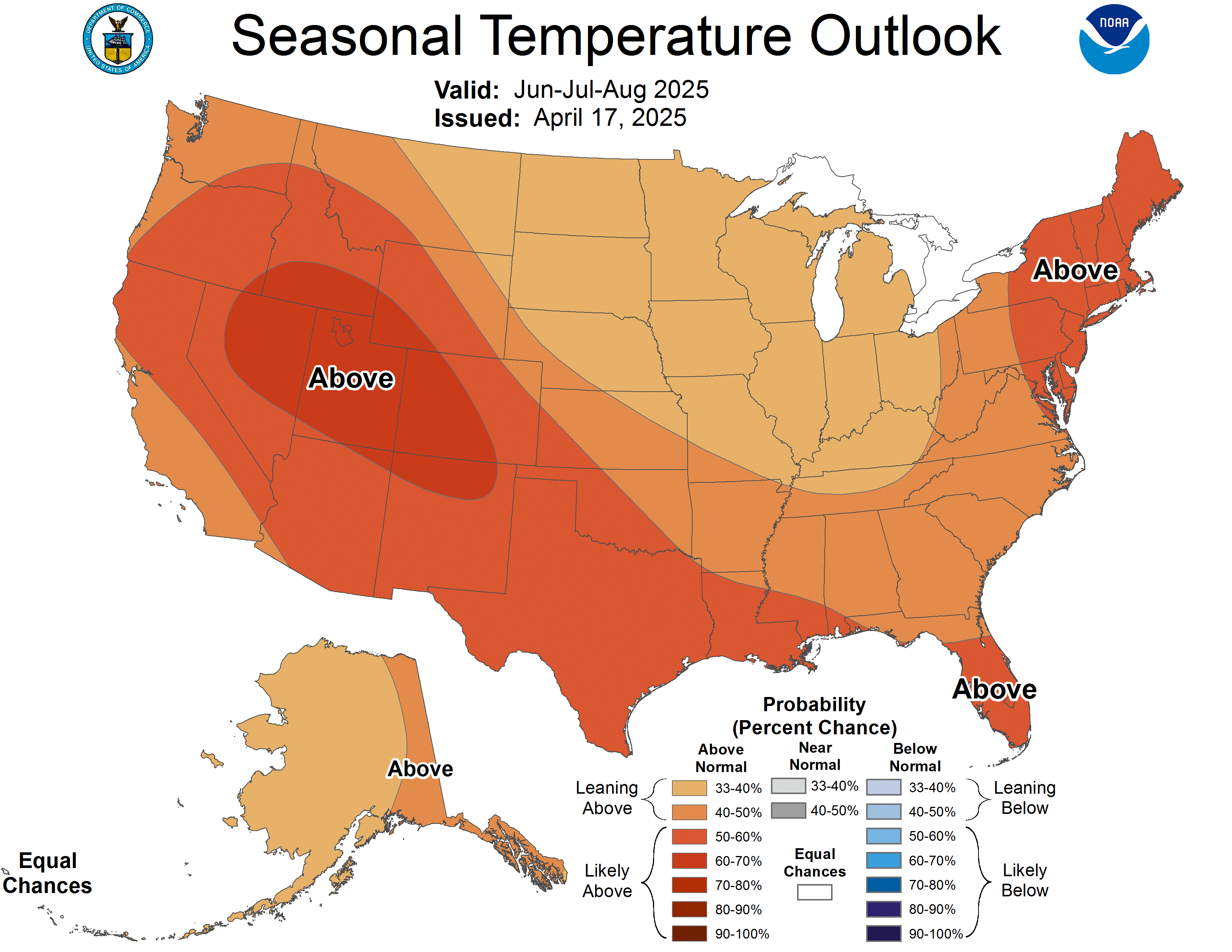
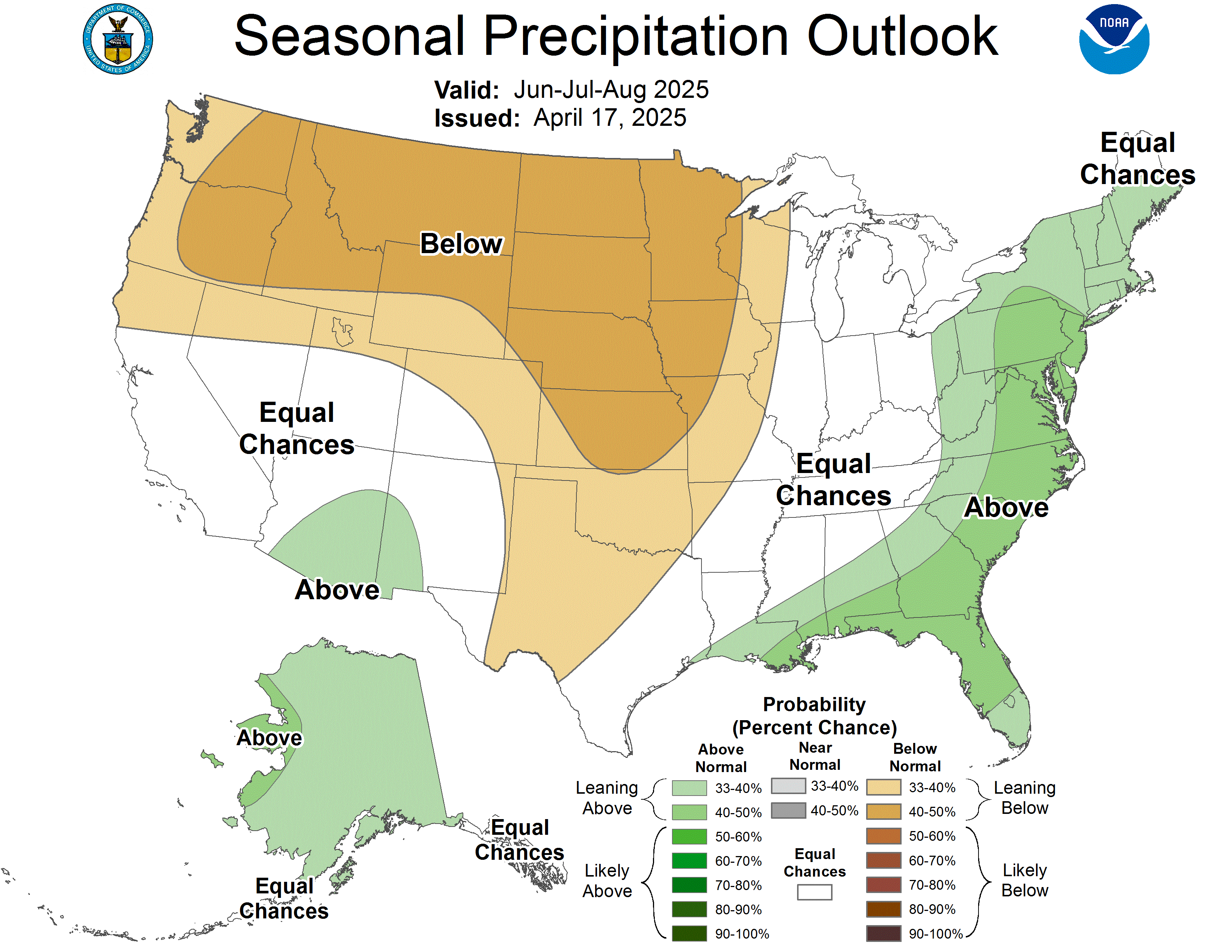
“Looking at the Climate Prediction Center forecasts for the winter months in Arkansas — December, January and February — above-normal temperatures are favored,” he said. “In terms of precipitation forecasts, above-normal precipitation conditions are favored, especially across southwest portions of the state.”
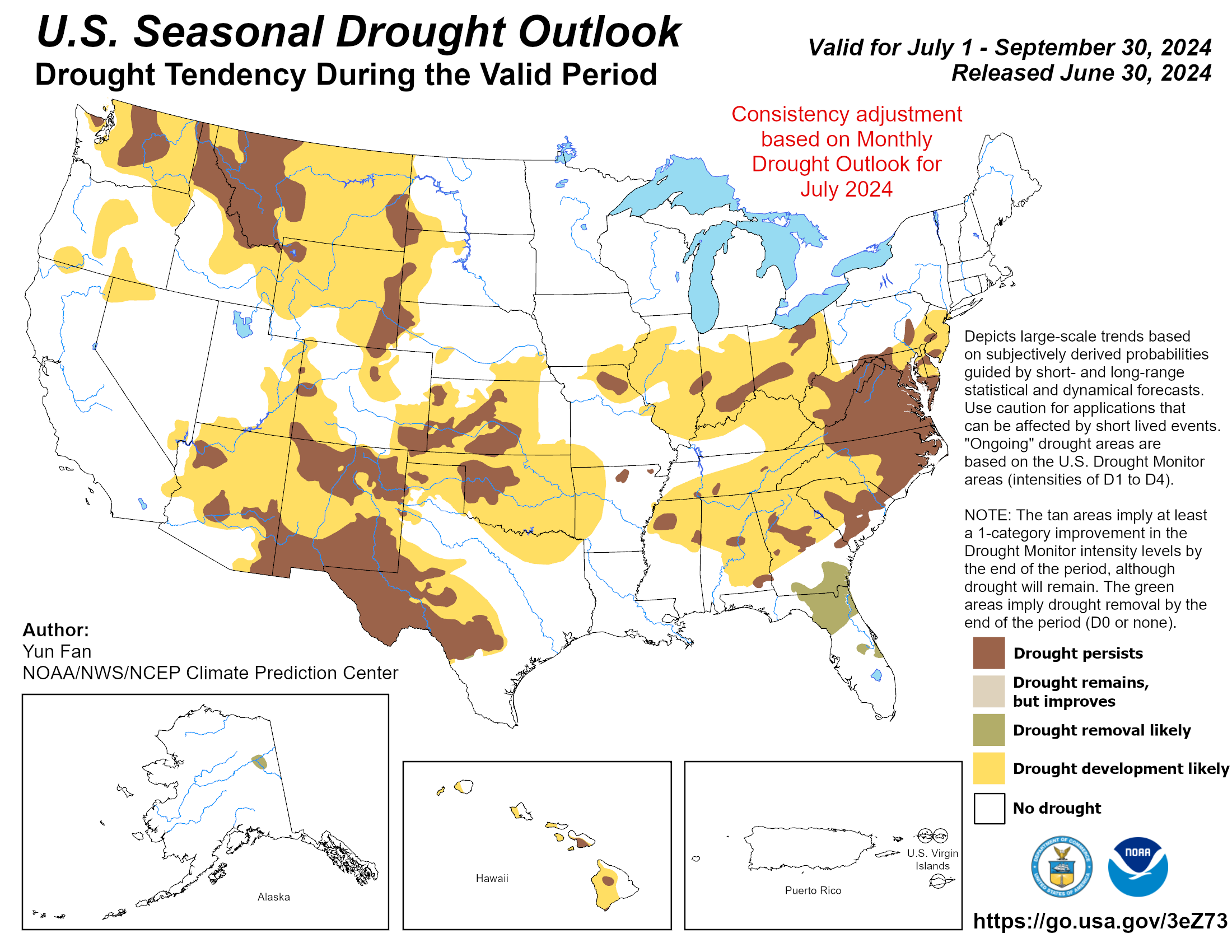
Through the end of January, Climate Prediction Center forecasts indicate that drought conditions will improve, Buonanno said.
“Precipitation systems that affect the Mid-South in winter generally tend to create precipitation in a more widespread manner, and last longer than summer systems,” he said. “One event will not end the drought, but a pattern of equally spaced precipitation events over a period of time would support drought improvements.”
Will this winter be snowy or icy?
Buonanno said, “I looked at a number of stations in Arkansas for historical trends in a very strong El Niño. There does not appear to be a strong signal either way concerning snowfall amounts.”
However, “another feature that affects winter conditions in North America is the nature of the polar vortex,” he said. “This feature is forecast to be stable this winter. This condition would generally keep the arctic air well north of Arkansas.”

DROUGHT
Arkansas will need a lot of precipitation to improve drought within a one-month period, according to the National Centers for Environmental Information, part of the National Oceanic and Atmospheric Administration. For example, in southeast Arkansas, the state will need 364.19 percent of its normal rainfall, or 18 inches of rain, to ease drought. The last time Arkansas saw such intense drought was in 2012.
This year’s drought helped speed harvest for commodities such as corn, rice, soybeans and cotton. However, the lack of rain is a concern for Arkansas ranchers who rely on cool-season forage, and for cold-weather crops like winter wheat.
“Wheat growers are facing extremely dry conditions across much of the state,” said Jason Kelley, extension wheat and feed grains agronomist for the University of Arkansas Division of Agriculture.
Kelley said growers are either delaying planting until rainfall occurs or are ‘dusting in’ their wheat crop — that is, planting into dry soil with the hope that rainfall occurs soon.
“Wheat yields in Arkansas are generally greatest when wheat is planted in October through mid-November, and yields decline as we plant into late November, so the delay in rainfall and planting is becoming more critical with each passing day,” Kelley said. “There are a few scattered areas of Northeast Arkansas that have been fortunate to receive enough beneficial rainfall that wheat planted in early October is up and growing.”
To learn about extension programs in Arkansas, contact your local Cooperative Extension Service agent or visit uaex.uada.edu. Follow us on Facebook and Instagram. To learn more about the Division of Agriculture, visit uada.edu. To learn more about ag and food research in Arkansas, visit the Arkansas Agricultural Experiment Station at aaes.uada.edu.
RELATED STORIES
- Drought raises nitrate risks in forage, boosts costs for ranchers
- Drought among factors jostling cattle markets
- Rotational grazing a key practice to maintain forage in drought
About UADA
The University of Arkansas Division of Agriculture’s mission is to strengthen agriculture, communities, and families by connecting trusted research to the adoption of best practices. Through the Agricultural Experiment Station and the Cooperative Extension Service, UADA conducts research and extension work within the nation’s historic land grant education system.
UADA is one of 22 entities within the University of Arkansas System. It has offices in all 75 counties in Arkansas and faculty on three university campuses.
Pursuant to 7 CFR § 15.3, UADA offers all its Extension and Research programs and services (including employment) without regard to race, color, sex, national origin, religion, age, disability, marital or veteran status, genetic information, sexual preference, pregnancy or any other legally protected status, and is an equal opportunity institution.
# # #
Media Contact:
Nick Kordsmeier
nkordsme@uada.edu